Travertine vs. Porcelain: The Coolest Options for Pool Decks
Designing a pool deck in Central Florida requires careful consideration beyond aesthetics. Homeowners often focus on visual appeal and durability, yet one of the most overlooked factors is heat retention. A pool deck material that becomes uncomfortably hot under the blazing July and August sun can turn a relaxing backyard retreat into a hazard for bare feet. Understanding the thermal properties of popular materials, such as travertine and porcelain, is essential for creating a poolside environment that remains both safe and enjoyable. The right choice ensures that afternoons spent lounging, walking, or entertaining remain comfortable, even during the hottest months.
Travertine and porcelain have emerged as leading options for pool decks due to their durability, versatility, and visual appeal. Travertine, a natural stone, is celebrated for its porous surface and classic elegance, while porcelain, a manufactured material, offers consistent texture and a wide variety of design options. Beyond style, heat retention and comfort underfoot are crucial factors to weigh. Comparing these materials provides homeowners with actionable insights, helping to select a deck surface that balances beauty, performance, and comfort in Central Florida’s intense summer sun. Understanding these differences can prevent costly mistakes and elevate the overall poolside experience.
1. Understanding Heat Retention in Pool Deck Materials
How Heat Retention Affects Comfort
Heat retention determines how hot a pool deck surface becomes after prolonged sun exposure. Surfaces with high thermal conductivity absorb and hold more heat, which can make walking barefoot uncomfortable or even dangerous. Central Florida’s intense summer sun can raise deck temperatures well above 120°F on poorly chosen materials, creating a risk of burns and reducing enjoyment. Materials with natural cooling properties or low heat absorption keep bare feet comfortable, extending the usability of the pool deck throughout the day.
Factors Influencing Surface Temperature
Several factors contribute to heat retention in outdoor surfaces:
- Material Composition: Natural stones, like travertine, have low thermal conductivity, whereas dense porcelain can absorb more heat depending on finish and color.
- Color and Finish: Light-colored materials reflect sunlight, reducing heat buildup, while dark surfaces absorb more heat. Textured surfaces also allow better airflow, slightly reducing surface temperature.
- Porosity and Density: Porous materials release heat more efficiently than dense, non-porous materials. Water absorption can also provide a cooling effect during evaporation.
By evaluating these factors, homeowners can select materials that remain functional and safe during peak summer months, avoiding common mistakes that lead to overheating.
2. Travertine for Pool Decks
Properties and Characteristics
Travertine is a natural limestone formed over thousands of years, offering a unique, earthy appearance with subtle veining and variation. Its inherent porosity makes it cooler underfoot than denser materials like concrete or some porcelain tiles. Travertine’s natural finish allows air to circulate within its surface, creating a slight insulating effect that prevents extreme heat retention.
Heat Retention Performance
Travertine’s low heat absorption is a primary reason for its popularity in hot climates. Studies and field tests demonstrate that travertine maintains surface temperatures significantly lower than concrete or dark porcelain tiles, even under prolonged sunlight. Its ability to stay cool enhances safety, reducing the risk of burns for children, adults, and pets.
Maintenance and Durability
Travertine requires periodic sealing to protect against staining and water infiltration, particularly in pool areas exposed to chlorinated water. Despite this, it is highly durable, resisting cracking and fading over time. Natural stone also withstands heavy foot traffic, pool furniture, and occasional impacts, making it a long-lasting choice for homeowners seeking both elegance and functionality.
3. Porcelain Tiles for Pool Decks
Characteristics and Manufacturing Advantages
Porcelain tiles are engineered from refined clay and minerals, fired at high temperatures for strength and low porosity. This controlled manufacturing process ensures uniformity, precise sizing, and resistance to cracking or warping. Porcelain offers nearly unlimited design options, including the ability to mimic natural stone, wood, or concrete, providing aesthetic flexibility without sacrificing performance.
Heat Retention Considerations
Porcelain tiles vary widely in heat retention depending on color, glaze, and surface texture. Dark, glazed porcelain absorbs more heat than light, unglazed varieties. Smooth finishes tend to get hotter than textured or matte finishes. Homeowners in Central Florida should prioritize light-colored, unglazed, or matte porcelain to minimize heat buildup.
Durability and Maintenance
Porcelain is exceptionally durable, resisting water absorption, staining, and freeze-thaw damage. It is nearly impervious to pool chemicals, making it a practical choice for areas exposed to chlorine and saltwater. Cleaning and maintenance are straightforward, often requiring only routine sweeping and occasional washing. Its low porosity reduces the likelihood of mold or mildew growth, further enhancing safety and longevity.
Design Versatility and Applications
Porcelain tiles allow for precise, consistent patterns and can accommodate modern or minimalist designs. Large-format tiles create a sleek, continuous surface, while smaller tiles provide intricate patterns for decorative pool edges or coping. With proper installation, porcelain achieves a professional, polished look suitable for both contemporary and traditional backyard settings.
4. Comparing Travertine and Porcelain
Thermal Performance Comparison
Travertine generally outperforms porcelain in heat comfort due to its natural porosity and lower density. While light-colored, textured porcelain can remain comfortable, travertine maintains a consistent advantage in extreme heat conditions. Homeowners often find travertine cool enough for prolonged barefoot walking, even at midday in Central Florida, whereas some porcelain tiles can reach uncomfortable temperatures unless carefully chosen and installed.
Durability and Longevity
Porcelain’s manufactured consistency makes it highly resistant to chipping, cracking, and fading, providing low-maintenance durability. Travertine, while natural and elegant, may require sealing and occasional care to prevent stains, especially around chlorine-treated pools. Both materials can last decades with proper installation, but porcelain offers more predictable, uniform longevity across different environmental conditions.
Cost Considerations
Travertine generally carries a higher upfront cost due to quarrying, shipping, and specialized installation requirements. Porcelain tiles are often more budget-friendly, with lower installation labor costs and minimal maintenance. Long-term value depends on climate resilience, heat comfort, and aesthetic preferences, making cost a factor but not the sole determinant in material selection.
Aesthetic and Design Flexibility
Travertine’s natural stone pattern offers unique character with subtle color variation, enhancing traditional or Mediterranean-style designs. Porcelain provides nearly limitless design options, allowing for precise replication of stone, wood, or concrete, ideal for modern or highly customized aesthetics. Both materials contribute to luxurious poolside environments, but travertine emphasizes organic beauty, while porcelain emphasizes uniformity and design control.
5. Best Practices for Choosing a Pool Deck Material
Prioritize Surface Color and Texture
Light-colored surfaces reflect heat, while textured finishes enhance comfort and reduce slipping. Both travertine and porcelain offer multiple options, but careful selection of hue and surface treatment is essential to prevent overheating in peak summer months.
Test Material Samples in Sunlight
Before finalizing the pool deck, exposing material samples to direct sunlight can reveal real-world heat retention differences. This simple test allows homeowners to compare temperatures and select a surface that meets comfort expectations.
Consider Installation and Drainage
Proper installation, including spacing, leveling, and drainage, ensures that heat is not trapped under tiles or stones. Adequate gaps between stones for expansion and water runoff reduce surface stress, prolonging the lifespan of both travertine and porcelain decks.
Evaluate Long-Term Maintenance
Travertine requires sealing and occasional cleaning to maintain appearance, while porcelain’s low-maintenance properties reduce upkeep. Understanding these requirements ensures the material remains both visually appealing and safe for bare feet over time.
Complement with Landscaping and Shade
Strategic placement of shade elements, such as pergolas, trees, or umbrellas, can further enhance comfort. Pairing cool materials with natural or structural shade reduces direct sun exposure, maintaining a pleasant temperature for pool users.
6. Real-World Applications and Examples
Travertine in Residential Pools
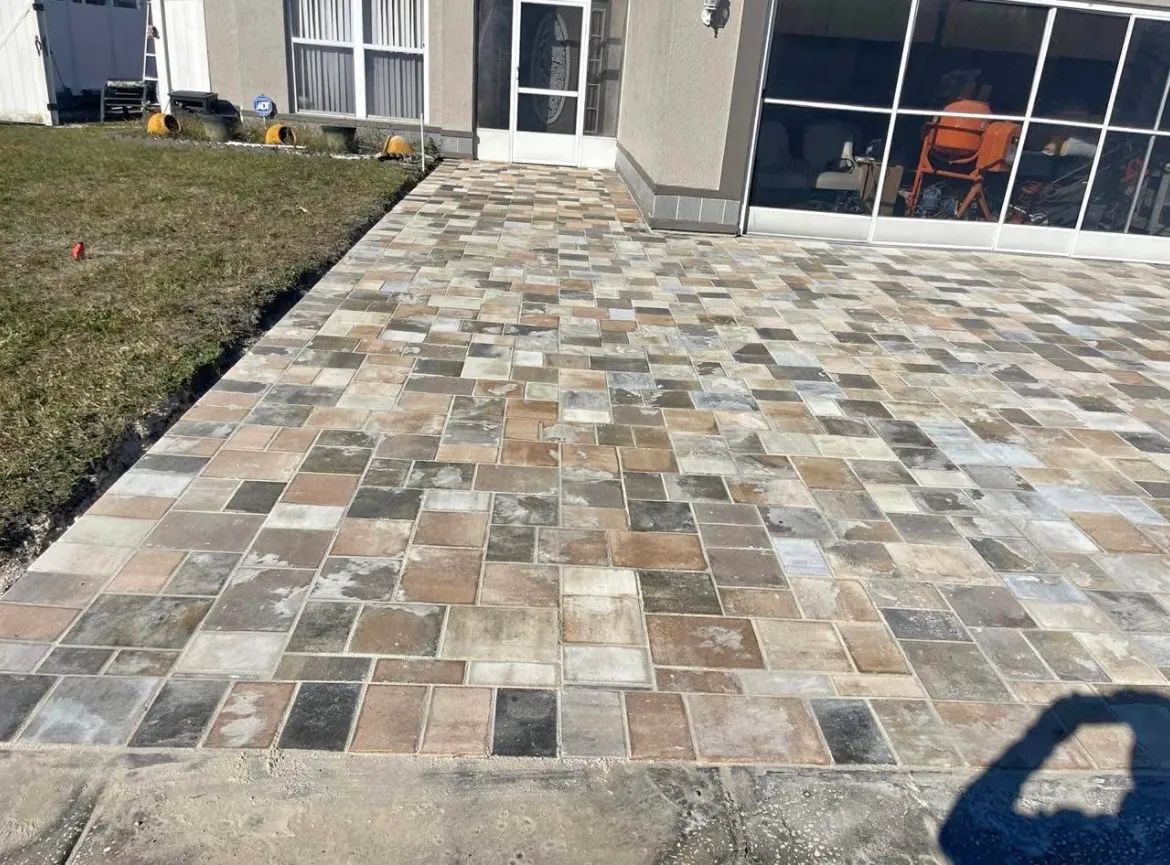
In Central Florida neighborhoods, travertine often features in Mediterranean-inspired backyards, blending seamlessly with lush landscaping and water features. Homeowners report that travertine stays significantly cooler than concrete, providing comfortable barefoot access even at midday. Its natural aesthetic enhances property value while offering practical thermal performance.
Porcelain for Modern Pool Decks
Porcelain tiles suit contemporary designs, creating sleek, low-profile surfaces that mimic stone or concrete. In high-end residential projects, light-colored porcelain tiles with textured finishes offer both safety and style. While heat retention requires careful selection, modern unglazed options perform well in sunny climates.
Hybrid Approaches
Some designs incorporate both travertine and porcelain, using travertine for areas with heavy sun exposure and porcelain for decorative or shaded zones. This approach maximizes comfort, design flexibility, and cost-efficiency, illustrating how homeowners can customize material usage for optimal poolside enjoyment.
Experienced Professionals Crafting Comfortable Summer Pool Decks
Choosing the right pool deck material is critical for comfort, safety, and style in Central Florida’s hot summer months. Travertine offers natural cooling properties, elegance, and timeless appeal, making it ideal for areas exposed to intense sunlight. Porcelain provides durability, design flexibility, and consistent performance, but careful selection is necessary to manage heat retention. Light colors, textured surfaces, and proper installation are key factors that enhance comfort for barefoot use. Homeowners benefit from testing samples, evaluating maintenance needs, and considering shade or hybrid approaches to optimize poolside enjoyment.
At Elite Outdoor Scapes, we bring over 10
years of experience creating custom backyard environments in Clermont, Florida. Our expertise in
pool deck design ensures selections that balance style, durability, and comfort. We guide clients through choosing the right materials, proper installation techniques, and long-term maintenance strategies. By combining aesthetic vision with practical performance considerations, we deliver poolside solutions that remain comfortable during peak summer heat, while enhancing the beauty and functionality of every outdoor space we touch.