Taming the Slope: How to Create Usable Backyard Tiers
Clermont, Florida, is known for its rolling hills, offering a unique charm to the region but presenting distinct challenges for homeowners seeking functional outdoor spaces. Steep backyards can often remain underutilized, limiting opportunities for relaxation, play areas, or entertaining. Without strategic planning, a sloped yard may become prone to erosion, water runoff issues, and safety concerns. Transforming a steep incline into usable tiers can unlock the full potential of an outdoor space, enhancing both aesthetics and functionality.
Implementing
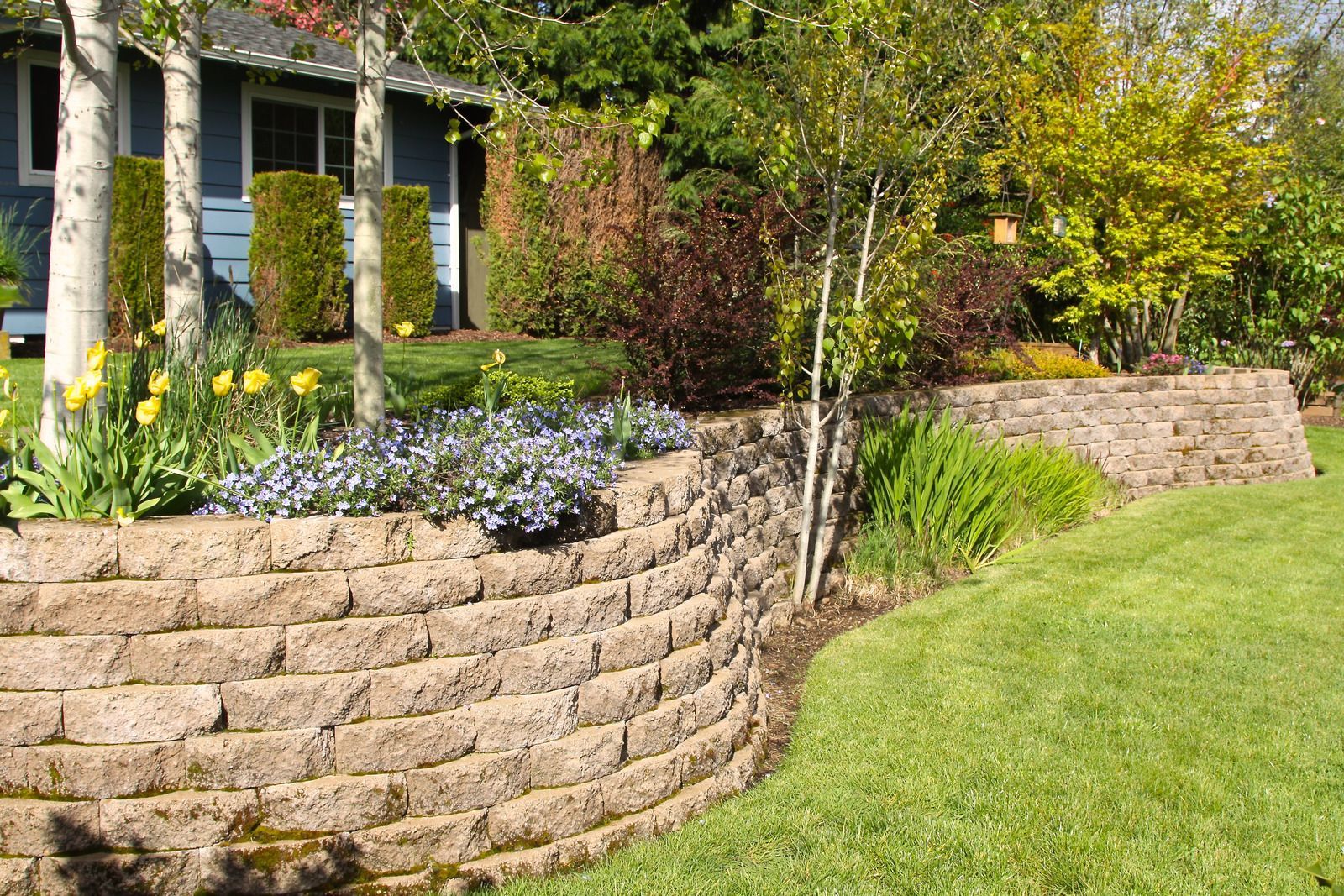
structural retaining walls to create backyard tiers is an effective solution. These walls allow the formation of flat, stable areas while controlling soil movement and drainage. Beyond practical benefits, terraced landscapes introduce visual interest and can accommodate diverse activities such as patios, gardens, or recreational zones. By understanding the principles of slope management, homeowners can turn what was once a challenging, inaccessible terrain into a versatile, inviting backyard. This guide provides actionable insights, real-world examples, and expert strategies for creating functional tiers that complement the natural landscape.
Understanding the Slope: Assessing Challenges and Opportunities
Identifying Slope Types
Slopes on residential properties vary widely in angle, soil composition, and drainage behavior. Gentle inclines often require minimal grading, but steeper slopes demand more careful intervention. Proper soil testing ensures retaining walls can withstand expected loads and water conditions. Understanding slope characteristics allows precise wall placement, reduces erosion risk, and creates usable flat areas for patios, gardens, or recreational zones.
Evaluating Drainage and Water Flow
Water management is critical on sloped backyards, as unmanaged runoff causes soil erosion, wall instability, or pooling in lower areas. Evaluating water flow patterns helps determine proper placement of drainage systems such as French drains, gravel backfill, or weep holes. Correct drainage ensures long-lasting structural stability and maintains flat, safe tiers suitable for play, relaxation, or outdoor entertaining.
Designing Functional Tiers
Determining Tier Layout
Tier layouts must balance practicality and visual appeal. Wide tiers accommodate patios, lounges, or play zones, while narrower levels can serve as planting beds or decorative borders. Smooth transitions between tiers are vital for safety. Considering slope angle, yard dimensions, and intended use guides height and width decisions. Proper tier design efficiently transforms steep terrain into functional outdoor spaces.
Material Selection for Retaining Walls
Selecting the right retaining wall material ensures strength, durability, and complements landscaping aesthetics. Segmental retaining wall blocks offer long-lasting, low-maintenance performance. Natural stone provides organic visual harmony, while timber gives a softer, rustic appearance. Each material requires precise installation for stability. Choosing the correct material enhances safety, structural integrity, and aesthetic appeal, supporting soil, plants, and outdoor activity areas effectively.
Incorporating Multi-Functional Features
Tiers can include multiple features to increase utility and appeal. Seating walls function as social areas and retaining structures, while built-in planters add greenery and soften hardscape edges. Steps connecting levels must follow standard rise and run dimensions for safety. Multi-functional tier designs transform steep backyards into versatile spaces suitable for recreation, gardening, relaxation, or entertaining friends and family.
Construction Techniques for Stability and Safety
Excavation and Site Preparation
Proper excavation creates a solid foundation for long-lasting tiers. Unstable soil must be removed, and a level, compacted base established before wall construction. Compacting backfill reduces settlement and prevents future structural failure. Thorough site preparation ensures stability and visual appeal. Correct foundations support retaining walls, tiered surfaces, and outdoor features, maximizing safety, durability, and long-term usability of the landscaped area.
Retaining Wall Engineering
Retaining walls resist lateral soil pressure and environmental stress. Gravity walls stabilize soil through weight, while reinforced walls use steel, geogrid, or other supports for added strength. Walls must accommodate soil weight, vegetation, and any furniture or recreational surfaces. Properly engineered walls stabilize slopes, prevent erosion, and enable functional outdoor areas. Effective wall design transforms steep backyards into safe, usable spaces.
Drainage Integration
Integrated drainage prevents hydrostatic pressure from compromising retaining walls. Perforated pipes, gravel backfill, and weep holes channel water away from walls and tiers. Proper drainage protects soil from erosion, prevents pooling, and keeps tiered surfaces level and safe. Effective water management maintains long-term stability, ensuring outdoor living spaces remain functional, attractive, and safe, even during heavy rainfall or severe storm events.
Landscaping and Functional Enhancements
Planting on Slopes
Vegetation stabilizes slopes while enhancing aesthetics. Deep-rooted plants, shrubs, and groundcovers anchor soil and reduce erosion. Strategically placed plants soften hard edges, add color, and unify terrace levels. Healthy vegetation supports slope stability, improves microclimates, and integrates functional terraces with natural surroundings. Thoughtful plant selection ensures tiers remain visually appealing, safe, and environmentally sustainable, promoting long-term outdoor enjoyment and usability.
Integrating Outdoor Living Areas
Tiered backyards create ideal spaces for patios, fire pits, play areas, or seating zones. Flat, stable surfaces allow safe placement of furniture and recreational features. Durable, weather-resistant materials extend usability and reduce maintenance. Well-designed terraces can accommodate multiple activities, creating functional zones that enhance property value. Proper planning ensures smooth transitions between levels, maximizing comfort, usability, and enjoyment of the backyard.
Lighting and Safety Features
Lighting enhances safety and usability on tiered landscapes at night. Pathway lights, step lights, and ambient fixtures illuminate edges while highlighting design elements. Installing railings, wall caps, or low barriers defines tiers and reduces accident risks. Combining functional lighting with safety measures ensures all areas remain accessible and inviting. Thoughtful design improves aesthetics while maintaining a secure, visually appealing outdoor environment.
Benefits of Backyard Tiering
Maximizing Usable Space
Tiered landscaping converts steep slopes into practical outdoor areas. Each level creates separate zones for dining, entertaining, gardening, or play. Carefully planned terraces optimize property potential, offering flexibility without compromising safety. Proper tiering integrates seamlessly with natural terrain. Transforming challenging inclines into structured outdoor spaces expands recreational opportunities and overall property functionality, turning previously unusable areas into productive, enjoyable backyard spaces.
Erosion Control and Stability
Retaining walls prevent soil erosion and stabilize slopes over time. Engineered terraces reduce risks of landslides, soil displacement, and water damage. Well-constructed walls protect both landscapes and structures from environmental stressors. Maintaining slope integrity lowers maintenance costs and preserves landscaping investments. Properly designed tiers provide safety, reliability, and durability, creating a solid foundation that ensures long-lasting outdoor enjoyment and landscape stability.
Enhanced Aesthetic Appeal
Terraced backyards create visual depth and interest. Layered plantings, stone walls, and integrated hardscape produce a cohesive, sophisticated landscape. Proper tier design harmonizes with natural surroundings while defining functional areas. Attention to aesthetics enhances curb appeal and overall property attractiveness. Functional, visually appealing terraces elevate the outdoor environment, creating inviting spaces that are practical for activities and impressive for guests.
Increased Property Value
Functional tiered yards add tangible value to residential properties. Buyers view well-designed terraces as desirable, enhancing marketability. Sloped areas converted into flat, usable spaces expand outdoor living without enlarging the building footprint. Landscaped, structurally sound terraces create long-term investment benefits, demonstrating attention to quality, creativity, and detail. Well-executed tiering attracts buyers while improving overall property valuation and outdoor living potential.
Safety Improvements
Flat tiers create secure surfaces for children, pets, and recreational activities. Controlled slope angles reduce tripping hazards and prevent accidental slips during rain or wet conditions. Well-planned terraces improve usability while minimizing safety risks. Stable, level surfaces ensure furniture and play equipment remain safely supported. Proper slope management transforms previously hazardous areas into safe, functional, and accessible outdoor zones for everyone.
Opportunities for Customization
Tiered backyards offer flexible design possibilities for gardens, water features, entertainment zones, or outdoor kitchens. Each level can reflect specific activities or personal aesthetic preferences. Customization blends style with functionality, creating unique landscapes. Thoughtful feature integration enhances usability and visual appeal. Personalized terraces turn ordinary slopes into distinctive, highly functional backyard environments, maximizing outdoor enjoyment while reflecting homeowners’ lifestyle and design vision.
Maintenance and Long-Term Considerations
Regular Inspection
Even strong retaining walls require consistent inspection to maintain integrity. Monitoring cracks, bulges, or soil movement identifies potential issues early. Prompt maintenance reduces repair costs and prevents structural failure. Regular evaluations protect wall strength and preserve terraces, landscaping, and installed features. Proactive inspection extends the lifespan of tiered outdoor spaces, ensuring continued safety, usability, and visual appeal for long-term outdoor enjoyment.
Soil and Plant Care
Healthy soil and vegetation support slope stability and aesthetics. Fertilization, mulching, and irrigation maintain plant growth, reduce erosion, and anchor soil. Proper plant care also protects retaining walls from water-related stress. Maintaining soil and vegetation health preserves terrace functionality while enhancing landscape beauty. Ongoing attention ensures tiers remain visually appealing, structurally safe, and environmentally sustainable for long-lasting outdoor enjoyment.
Seasonal Adjustments
Florida’s climate demands seasonal preparation for heavy rainfall and hurricane conditions. Adjusting drainage, inspecting soil, and reinforcing vulnerable areas minimize water damage and erosion. Seasonal maintenance prolongs wall and terrace life while ensuring safe, usable outdoor spaces year-round. Adapting to changing weather conditions is crucial for slope management. Prepared terraces withstand storms, prevent costly repairs, and protect structural and landscaped elements over time.
Trusted Experts Transforming Clermont Backyards Into Functional Spaces
At Elite Outdoor Scapes, based in Clermont, Florida, over 10 years of experience has refined the art of turning challenging slopes into captivating, functional backyards. Our approach combines structural expertise with creative landscape design, ensuring every tier is engineered for stability, safety, and longevity. From designing play areas to creating lounging patios or garden terraces, we transform steep inclines into inviting outdoor living spaces that complement the natural landscape. Working closely with homeowners, we assess site conditions, oversee precise retaining wall installation, and integrate practical features that enhance both form and function. Choosing Elite Outdoor Scapes guarantees professional, reliable service rooted in ten years of local expertise, transforming even the most difficult yards into cherished outdoor spaces that are safe, sustainable, and enjoyable for years to come.